
Separate the stay from the casino search
A grounded guide to checking hotel claims, poker and gaming distinctions, facilities, booking terms and what Canberra listings actually confirm.

Start with the Canberra stay, not a casino promise
If you’re planning a Canberra stay around the idea of a casino hotel, it’s worth separating the hotel part from the casino part before you book. A name or phrase that sounds like a combined package can create an expectation of a property with casino access, special room rates or gaming on site. I wouldn’t treat that expectation as confirmation.
I’ve learned the irritating way that a polished label can do a lot of work without telling you what you’ll actually get. “Casino hotel” might be shorthand in a listing, a travel search or somebody’s description; it doesn’t, by itself, establish that a Canberra hotel is operated by a casino or connected to one. That distinction matters when you’re choosing where to sleep, because the room you reserve is the part of the plan you can pin down.
What the hotel wording does—and doesn’t—tell you
A request for a Canberra casino hotel can mean a few different things. You might be looking for a property that includes a casino, a hotel linked to a casino, or simply a room that fits a trip where casino plans are part of the reason for visiting. Those are not interchangeable. Without a confirmed property and booking terms, there’s no sound basis for saying that a particular Canberra hotel offers casino rooms or a casino-linked deal.
Choosing a casino for Canberra in 2026 means checking the practical details that matter to you, such as stated deposit minimums, payout times, and licensing information. Use these brief verdicts as a reference when deciding what to look into further.
-
House of Pokies
- License
- international iGaming licence – jurisdiction not named in the source
- Payout speed
- PayID 1-24 hours
- Min. deposit
- A$30 (PayID from A$10)
You have a stated PayID payout window of 1–24 hours and a minimum deposit of A$30, with PayID deposits from A$10. Its source describes the licence as international but does not name the jurisdiction.
-
7Bit Casino
- License
- Curacao, operated by Dama N.V.
You can note that 7Bit Casino is licensed in Curacao and operated by Dama N.V.
-
Rollero Casino
- License
- Curacao Gaming Control Board OGL/2023/176/0095 (Hollycorn N.V.)
You can check its stated Curacao Gaming Control Board licence, OGL/2023/176/0095, held by Hollycorn N.V.
-
LevelUp Casino
- License
- Curacao eGaming OGL/2023/174/0082 (Dama N.V.)
- Min. deposit
- A$15
You have a stated minimum deposit of A$15. Its Curacao eGaming licence is OGL/2023/174/0082, with Dama N.V. named as operator.
-
Golden Pokies
- License
- Curacao
The stated licensing information for Golden Pokies is simply Curacao; no further operator details are provided here.
-
WinSpirit Casino
- License
- Curacao eGaming OGL/2024/923/0383 (Antillephone N.V.)
- Min. deposit
- A$30
You have a stated minimum deposit of A$30. WinSpirit Casino's listed Curacao eGaming licence is OGL/2024/923/0383, held by Antillephone N.V.
-
Vegaz Casino
- License
- Curacao OGL/2024/1335/0780
- Min. deposit
- EUR 20
Vegaz Casino lists a Curacao licence, OGL/2024/1335/0780, and a minimum deposit of EUR 20.
-
Playfina Casino
- License
- Curacao eGaming (Hollycorn N.V., since 2017)
- Min. deposit
- A$20-30 (depends on the offer)
You can note its Curacao eGaming licensing under Hollycorn N.V. since 2017. The stated minimum deposit is A$20–30, depending on the offer.
-
Uptown Pokies
- License
- Curacao (operating since 2017)
- Min. deposit
- A$20
Uptown Pokies is listed as operating since 2017 and licensed in Curacao, with a stated minimum deposit of A$20.
-
Wild Tokyo
- License
- Curacao
- Payout speed
- crypto 30-60 minutes, fiat 1-5 days
- Min. deposit
- A$10
You have a stated minimum deposit of A$10. Wild Tokyo lists crypto payouts at 30–60 minutes and fiat payouts at 1–5 days, and is licensed in Curacao.
The same goes for offers dressed up as a special stay. “Deal” sounds like a clear saving, but the label alone tells you nothing about what is included, whether the offer is available for your dates, or what conditions apply. I’d want the actual booking page to spell out the room, price, dates and inclusions before I treated it as a deal. A headline isn’t a reservation.
That’s not me saying you can’t find a hotel that suits your plans. It’s a smaller, more useful point: don’t let the casino wording stand in for details about the stay. If a listing makes the connection sound important, look for the connection itself in the property description and booking terms. If those pages don’t make it clear, ask the property directly before paying.
Make the room the thing you verify
For hotel rooms, start with the basics that affect your actual booking: the property name, room description, dates, total price and cancellation conditions. Check that the room shown is the room you’re selecting, rather than assuming a photo or promotional heading applies to every option. If the booking refers to casino access or a casino-related benefit, look for that benefit written into the terms. If you can’t find it, don’t build your itinerary around it.

I’d also keep the hotel decision separate from assumptions about what happens after check-in. A room booking doesn’t establish that a casino is attached, that gaming is available to hotel guests, or that an advertised package includes anything beyond accommodation. Those details need their own clear confirmation. It’s less exciting than a bundled promise. It’s also how you avoid paying for an idea that the booking never actually offered.
The wording “hotel near a casino” can blur into the separate question of where to stay around a venue. For this part of your planning, keep the focus on the hotel itself: what property you are booking, what room you will receive, and what the confirmation says. Don’t infer a particular casino connection from a broad label, and don’t assume that a Canberra hotel listing proves a casino hotel exists.
I’d rather have a plain room description and a clear confirmation than a grand label that leaves me guessing. Book the stay you can verify; treat any casino connection as unconfirmed until the property says exactly what it means. No guesswork.
Poker rooms, tournaments and the machine-gambling distinction
A poker room and a room with poker machines are not the same thing, despite the overlap in the wording. A poker room is where people play the card game against one another; a poker tournament is an organised event with its own entry and schedule. Electronic Gaming Machines (EGMs), often called pokies in Australia, are individual gambling machines. If you are planning a night around poker, it is worth checking that a venue’s information refers to live card play or a tournament, rather than EGMs.
Do
- Check for current details on game format and registration
- Confirm event timing directly with the venue
- Distinguish between live card poker and EGMs
Don't
- Treat a venue label as a guarantee of activity
- Assume a "poker" description implies a tournament
- Use state-specific rules from NSW for Canberra venues
I have learned not to treat a venue label as a promise. “Poker” can appear in descriptions of very different activities, and a tournament listing may be tied to a particular date or session. Before making plans, look for current details about the game format, registration and event timing, and confirm them with the venue. A room’s name alone won’t tell you what is running.
The same distinction matters when someone says a club has a large number of poker machines. That tells you about its EGMs, not whether it hosts poker tables or tournaments. Club Liverpool, in NSW, is reported as having more operating poker machines than any other club in that state. That is a comparison about machines at NSW clubs; it says nothing about poker rooms in Canberra, and it should not be treated as a Canberra ranking.
There is also a location boundary on the age rule. In NSW, a person must be at least eighteen to gamble on poker machines, and venues check identification for this activity. That is NSW context, not a statement of the rule for a Canberra venue. Don’t carry a state-specific detail across the border as if it automatically settles what applies elsewhere.
I used to skim a listing, see the word “poker,” and assume I had found the kind of game I wanted. That shortcut can send you in the wrong direction. Check whether the page is talking about card poker, a scheduled tournament, or EGMs, then confirm the practical details before you set off. Small distinction. Big difference.

A bar, a place to stay and a poker room are separate things; one label does not establish the others. If you want to watch sport, play cards or find a room, check each requirement separately rather than assuming a single venue description covers all three.
And if your plan depends on a tournament, timing matters: a general reference to poker does not itself tell you whether an event is on the day you intend to visit. Look for a current schedule and direct confirmation. For machine gambling, check that information is specifically about EGMs, not live poker. Don’t mix the two up.
Games, bars and entertainment: what the evidence can—and can’t—confirm
Searches for baccarat or craps in Canberra point to specific games, while searches for a casino bar, concerts, parking, a map or a contact number are really asking whether there is a venue to visit and how it works. I can’t give you a reliable Canberra casino listing for those details. A game name in a search result is not proof that a local casino offers it; nor does a map pin, phone number or event mention establish that the information is current.
That distinction matters. A bar listing might belong to a different business, and a concert result could refer to another venue entirely. Parking details can also be attached to a nearby address rather than a casino. I’ve learned not to treat a tidy result as confirmation. Before making a trip, look for information published directly by the venue; if you can’t identify an official venue, don’t plan around an assumed bar, game, car park or show.
There’s another meaning to “games” here: online pokies. Their mechanics can be explained without pretending that this confirms a Canberra venue or makes online play an appropriate option in Australia. Each online pokie uses a Random Number Generator, or RNG, to determine outcomes. A spin stands on its own: earlier wins or losses don’t change what the RNG produces next. It doesn’t remember that you’re “due.” That belief cost me plenty.
RTP, short for return to player, is a theoretical measure of the share of money wagered that a pokie pays back over a very large number of spins. It is not a promise about what you’ll get in a session, and it can’t predict the result of your next spin. A figure shown as RTP describes long-run game mathematics, not a personal forecast. That’s the part the shiny label tends to leave out.
The practical point is simple: don’t raise your bets to try to recover a loss, and don’t chase losses. If gambling is part of your plans, set a session budget you can afford to lose before you start, and stop when it’s gone. Rent and groceries are not problems a gambling outcome can reliably solve. The hope that they might be is an illusion.
For baccarat or craps, verify the exact game and venue through an official source rather than assuming that a general casino listing covers Canberra. I’d do the same before relying on an address, directions or contact details: a search result can be stale, incomplete or about somewhere else. And if a result implies that an online pokie is available, that says nothing by itself about whether an Australian operator may lawfully provide it. Availability and legality are separate questions.

No magic edge.
Online casino searches from Canberra: know the legal limits
If you’re looking for an online casino while in Canberra, the first distinction is between the operator and the person using a service. Under the Interactive Gambling Act 2001, an operator based in Australia cannot legally provide real-money online casino games to people in Australia. That includes pokies and casino-style table games. A website’s Australian branding or a page aimed at local players does not make it an Australian-authorised casino.
Offshore platforms sit in a different, less reassuring position. Australian players are not subject to criminal liability simply for using an offshore casino, but that does not mean the platform is regulated under Australian law or that its services are lawful for the operator to provide here. “Licensed offshore” is not the same as licensed in Australia. I’d keep those two points separate rather than treating an overseas licence as a local consumer safeguard.
That distinction matters if something goes wrong. An offshore platform is outside Australia’s online casino regulatory framework, so you should not assume that Australian protections or local complaint routes apply. It is also not a recommendation to play; the legal status of the provider and the risks of dealing with a business beyond Australian regulation are part of the decision, not fine print to skim past.
Why a game may not appear
Online casinos and game providers can use region blocking to restrict access based on where a player is located. One way this works is through the player’s IP address, which can be used to estimate their geographic location. If a service excludes Australia, its site or games may be unavailable from an Australian connection. A missing game is not necessarily a glitch or a sign that you need to change a setting.
I’ve learned not to read a polished lobby as proof that every game is available to me. Access can depend on the provider’s rules and the player’s location, and those rules can change. Don’t treat an old list of games or a claim written for another country as confirmation of what works from Canberra now.
A VPN can make an internet connection appear to come from somewhere else, but using one to reach region-blocked pokies is against the relevant service’s terms and may lead to account suspension. It can also leave you arguing about access or an account with an offshore operator that is not regulated under Australian law. A changed IP address does not change the law applying to the operator, and it does not turn the platform into an Australian-regulated service. Not a workaround.
So if you were hoping that “online casino in Canberra” meant a locally regulated website, that is not how the rules work. Australian-run operators cannot offer real-money online casino games to people here; offshore sites are not regulated locally, even where an overseas licence is claimed. I would not use a VPN to get around a block, and I would not mistake access to a site for a sign that it is authorised in Australia.

Staying near a casino: keep accommodation claims grounded
Looking for a place to stay near a Canberra casino is not quite the same as booking a casino hotel. A search phrase can make those sound interchangeable, but it does not establish that a casino operates in the city, that a hotel is attached to one, or that any particular property is nearby. I’d pin down the destination before comparing rooms. Otherwise, “close to the action” is just a slogan with no useful measure behind it.
Start by confirming the venue you intend to visit through a reliable, current listing. Then check its location against the accommodation address using a map, rather than relying on a booking page’s description of the area. A property can be marketed as convenient while still leaving you with a trip you did not plan for. The exact route matters too: walking, public transport and driving can lead to very different ideas of “nearby”.
For accommodation, compare the practical details that apply to your stay: room type, cancellation conditions, check-in arrangements and what the quoted price includes. A “casino package” might refer to a hotel offer, a separate promotion, or wording used to attract clicks; the label alone does not confirm what you receive. I would want the inclusions and conditions stated by the accommodation provider before treating a deal as real.
- Confirm the venue through a reliable, current listing
- Match the venue location against the hotel address on a map
- Verify room type, cancellation conditions, and total price
- Check for specific parking availability and charges
Parking deserves its own check if you plan to drive. Find out whether the property has parking, whether it is available for your dates, and whether any conditions or charges apply. Do the same for the venue destination: don’t assume there is parking on site or that a nearby car park serves it. A map can show where options appear, but the operator’s current information is what you need for access and availability.
I’ve made the mistake of trusting a neat package description before checking the details. It is an easy way to pay for something that does not match the plan in your head. Read the cancellation terms before booking, especially if your stay depends on a venue visit that you have not yet confirmed.
If you are comparing places across Canberra, decide what “near” means for your own trip. You might care more about a short journey, a particular part of the city, or facilities at the accommodation than about being within walking distance of an unconfirmed destination. Compare the route and the property on their own merits, not just the casino wording in a headline.
A hotel deal and a casino promotion are also different things. One concerns the accommodation booking; the other may relate to gambling and can have separate conditions. Don’t treat either as proof that the other exists. Check what the provider is actually offering, and keep the booking confirmation.
The safest approach is plain: confirm the venue, verify the route, and book accommodation based on details the provider states clearly. If those pieces do not line up, pause before paying. No guesswork.
Breakfast, rewards and bonus terms are different things
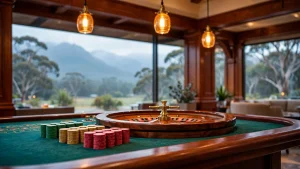
A hotel breakfast, a buffet and a casino rewards scheme are three separate things, even when a page or promotion places them side by side. I’ve learned not to treat the word “resort” as proof that all three come with a Canberra stay. I can’t confirm a Canberra casino hotel offering breakfast or a buffet, or a local casino rewards programme. Check the actual venue’s current information before making plans; don’t build a booking around a benefit that has not been confirmed.
The same goes for work. If you’re looking at casino jobs in Canberra, establish which employer and workplace the listing refers to. A search result using “casino” in its description doesn’t establish that there is a casino venue hiring locally. Check the employer’s own listing for the location, role and conditions rather than assuming a job is based at a casino.
A rewards label is not a cash value
“Rewards” can mean very different things. For a hotel, it might refer to a guest benefit; for a gambling promotion, it might mean spins or a bonus with conditions attached. Neither label tells you what you will actually receive, and a local venue’s terms should not be inferred from an online offer.
I once treated a bonus headline as if it were money already in my account. It wasn’t. With online gambling promotions, read the full terms before accepting anything: wagering requirements can be high, and conditions may include a maximum cash-out or clauses that allow winnings to be voided. Those details matter more than the banner.
There is also a legal distinction here. Under the Interactive Gambling Act 2001, operators based in Australia cannot provide real-money online casino games to people in Australia. Offshore sites are not regulated under Australian law. That is not an endorsement or a recommendation to use them; it is a reason not to confuse an online bonus with a local hotel or casino benefit.
Free spins still come with conditions
A free-spin offer can sound straightforward, but winnings may have to be wagered before withdrawal. A report by psu.com describes free-spin wagering requirements in a range from 20 to 50 times. Separately, a specialist review gives a specific example requiring winnings to be wagered 30 times before withdrawal. These are source-specific descriptions, not a dependable rule for every offer. The terms attached to an offer are what matter.
If you are reading those terms, look for what counts towards wagering, which games qualify, and whether a cash-out cap or voiding clause applies. Don’t assume that “free” means withdrawable, and don’t treat a bonus as a substitute for breakfast, accommodation or a real rewards programme. Different products. Different conditions.
Opening hours, events and the limits of what’s confirmed
“Open” sounds like a simple yes-or-no question, but it can mean different things: a venue operating now, a planned reopening, or a project that has been discussed without becoming a place you can visit. I’ve learned not to treat a confident headline as a door being open. Before setting out, look for a current notice from the venue itself and make sure it gives a date and practical visiting details. If those details aren’t there, don’t build your plans around an assumption.
The same goes for claims about a Canberra casino reopening. A proposal, a rumour and an operating venue are not interchangeable. Check whether an announcement describes an approved project, construction, a future opening or simply an idea. Words such as “coming soon” can sound definite while leaving the useful question unanswered: can you go there now? Check again close to your intended visit; old listings and copied posts can linger after circumstances change.
Event information needs the same care. A page mentioning entertainment does not establish that an event is scheduled, that tickets are available or that the venue is open on the night. Look for a dated event notice and confirm the location and entry arrangements with the organiser. I wouldn’t book travel on the strength of an undated listing. Small check, fewer headaches.
Employment announcements can also be easy to misread. A development story may describe possible future jobs rather than current vacancies. If you’re looking for work, use an employer’s own recruitment information and check that the role is active before sharing personal details or making arrangements. A headline about a project is not a job offer.
And if a review mentions a menu, hours or a lively event calendar, treat those as details to verify, not promises that apply today. Reviews can describe an earlier visit; they may not reflect current operations. I’ve been caught out by assuming a listing was fresh just because it was still visible. It wasn’t a clever mistake.
One regional detail is worth keeping in its lane: NSW has mandatory pre-commitment systems under which players set a loss limit before playing. That is NSW context, not a rule to apply to Canberra. Don’t use it to infer what a Canberra venue requires.
For a practical check, seek a current official venue or organiser update, confirm the date and location, and contact them if the information is unclear. If no direct confirmation is available, hold off on travel or spending. A polished listing can’t answer the basic question on its own.
Spa, address and dress-code searches: verify before you go
A spa, an address and a dress code can make a casino visit sound neatly planned. I’ve learned not to treat that sort of detail as proof that a particular venue exists or offers the facilities you have in mind. For a Canberra trip, pin down the actual venue first; don’t build the day around a “casino day spa” label or assume a hotel-style spa is part of the visit.
I’d also avoid putting a broad “Canberra casino” result straight into maps and setting off. Search listings can be incomplete or refer to something other than the place you mean. Get the venue’s full name and street address from its own current information, then check that the address matches before travelling. If there’s no clear official listing, pause and verify rather than trusting a map pin, old directory entry or copied snippet. Annoying, but cheaper than a wasted trip.

Dress-code wording deserves the same care. “Smart casual” sounds clear until you’re standing at the door wondering whether your shoes count. If a venue publishes an entry policy, read the exact wording and check whether it applies to the whole property or only a particular area or event. When the wording is unclear, contact the venue before you leave. I wouldn’t infer a dress requirement from photos, reviews or what people wore somewhere else.
If you’re looking for a spa, ask specifically whether it is on-site, open to visitors and operating on the day you plan to go. Those are separate details, not things to assume from the word “casino” or from a resort-like description. Get the answer directly before treating a treatment booking or poolside plan as part of your itinerary.
The same basic rule applies if you’re looking for work rather than a visit. A careers page should identify the actual employer and current vacancy; a generic listing is not confirmation that a Canberra casino is hiring. I’d check the organisation’s own recruitment channel before sending personal details.
I’ve rushed plans before because a listing looked polished. That was my mistake. Confirm the place, address and entry requirements with the venue itself, and keep the rest of the day flexible until those details line up.
Restaurant searches without made-up menus
A restaurant can make a casino visit feel like a full evening out, so I understand why people look for dining options before settling on a plan. But a search for a Canberra casino restaurant is not proof that a particular venue exists, or that it serves the kind of food you want. I’ve learned not to turn a promising-looking snippet into a booking plan.
Venue Confirmation
Establish which venue you mean first before trusting broad dining labels.
Direct Verification
Look for current information published by the venue to confirm the restaurant is open.
Separate Offerings
Treat restaurants and rooftop bars as separate entities that require individual verification.
The same goes for lists of restaurants supposedly inside a casino. Without dependable details, there’s no sound basis for naming a restaurant, describing its menu, or saying it is open. A name repeated across directory pages can look convincing while leaving the practical questions unanswered: is it actually operating, what does it serve, and can you eat there on the night you have in mind? Don’t fill those gaps with guesses.
I’d treat “dining available” as a claim to verify, not a useful description on its own. Before making plans, look for current information published by the venue itself, then confirm that the restaurant is open and taking bookings. If you can’t find a direct, current source, keep another dinner option in mind. A polished photo is not a menu. A listing is not a reservation.
The rooftop-bar angle needs the same caution. A restaurant and a rooftop bar are separate offerings; one does not establish the other. I wouldn’t assume there is a rooftop venue in Canberra just because that phrase appears alongside casino dining. Check that the place is real and operating, and confirm its location and access details directly before setting out. If those details are unclear, don’t build the evening around them.
There’s a difference between wanting dinner near a casino and expecting restaurants to be part of a casino complex. Search results can blur that distinction. For a Canberra casino, Australia, reader, the sensible move is to establish what venue you mean first, then check dining information against that venue rather than trusting a broad label. I’m wary of any page that serves up a menu or booking detail without showing where it came from.
I’d also avoid choosing somewhere on a dish description alone. Menus can change, and a copied listing may not reflect what a restaurant currently offers. Confirm the menu and booking arrangements with the restaurant before you travel, especially if a particular meal matters to your plans. No guesswork.

That isn’t glamorous advice, but it beats arriving hungry and finding that the “casino restaurant” was only a phrase on a page. Keep the plan flexible until the venue confirms the details.
Food courts and pools: don’t assume resort facilities
A “resort” label can make a place sound like a complete day out: food court, pool, casino floor, perhaps everything under one roof. I wouldn’t treat that word as proof. For a Canberra visit, the practical question is whether the specific property you’re considering actually lists the facility you want.
A food court is not the same thing as a restaurant, and a general reference to food does not tell you whether there are several quick-service options, shared seating or any food area at all. If you need somewhere casual to eat between activities, look for the property’s own current amenities information and check what it describes. Don’t build your plans around a food court inferred from a broad “casino resort” description.

The same goes for a pool. A pool may be a feature of some accommodation, but that does not establish that one is available at a casino or hotel you have in mind in Canberra. Check whether the facility is on site, whether guests can use it and whether access conditions apply. Those details matter more than a glossy label.
I’ve learned not to fill in the blanks for a venue just because its branding suggests a full-service resort. A pool could belong to a separate hotel; food might mean only a limited offering. Better to confirm the exact amenity with the property before travelling, especially if it is central to your plans.
Keep the categories separate: food courts are shared casual-food areas, while pools are leisure facilities. Neither follows automatically from the word “casino,” “hotel” or “resort.” If a property does not clearly describe the feature, treat it as unconfirmed and make a backup plan.
No assumptions.
What does the legal status of offshore online casinos and NSW gambling law say?
Australian-run online casinos cannot legally offer online casino games to players in Australia. It is technically not illegal for you to play at an offshore casino, but those platforms are not regulated under Australian law; in NSW, you must be at least 18 to gamble on poker machines, and mandatory pre-commitment systems require players to set a loss limit.
Are online casino-style games restricted in Australia?
Yes. The Interactive Gambling Act restricts Australian-based operators from offering online casino games such as pokies, blackjack and roulette, although sports betting remains widely accessible and legal.
Which club has the most pokies in NSW?
Club Liverpool has the highest number of operational poker machines among clubs in NSW.
What are the different types of pokies?
Examples include progressive jackpot pokies, which pool part of bets into a growing jackpot, and pokies with buy-bonus games, which let you pay to enter a bonus round directly.
Which pokies are geo-blocked from Australia?
NetEnt geo-blocked its wide-area progressive jackpot games, including Mega Fortune and Hall of Gods. NYX Gaming/Next Gen titles such as Foxin’ Wins and Doctor Love were also blocked; restrictions can prevent games appearing in the lobby or loading from an Australian IP address.
How do club pokies and online pokies compare?
Club pokies are electronic gaming machines at venues, while online pokies are games played over the internet. Online pokies use a Random Number Generator, so each spin is independent and previous results do not affect the next one.