
Check the details before you make the trip
A practical guide to checking accommodation terms, transport and parking, venue services, dining, and other details before visiting.
Where to Stay When You’re Visiting the Casino
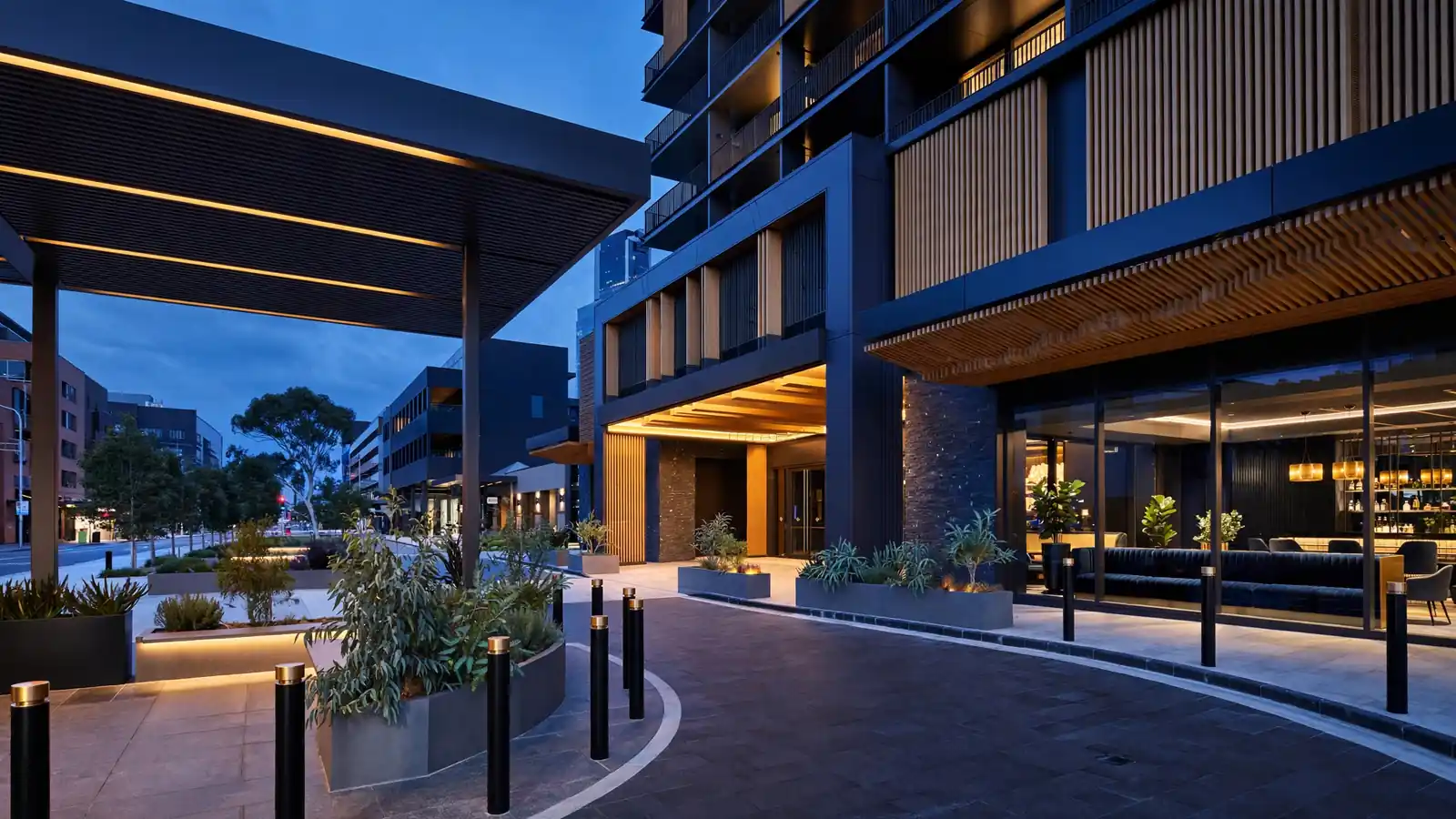
A hotel stay can make a casino visit feel simpler: you have a room booked and a place to return to afterwards. But “casino hotel” can mean different things in a booking listing. It might describe a hotel connected with a venue, one nearby, or simply a property marketed to visitors with that destination in mind. I wouldn’t treat the label as proof of a particular connection or benefit.
When I compare hotel rooms, I start with the actual room details rather than the headline. Check the room type, bed configuration, occupancy rules and what the booking includes. Photos can help you picture the space, but they don’t settle practical questions such as whether the room matches your needs or whether a particular feature is included. If something matters to your stay, look for it in the room description or ask the property before you pay.
Then I read the conditions attached to the booking. A deal can look appealing while leaving important terms easy to miss: whether payment is due now or later, what happens if you change your plans, and whether any extra charges apply. I’ve been too quick to focus on the word “deal” and too slow to check what I was agreeing to. The small print is part of the price.
Choosing a casino for Melbourne in 2026 means weighing the details that matter to you, such as licensing information, deposit minimums and payment times where these are specified. Use these entries as a starting point and check the terms that apply to your account.
-
House of Pokies
- License
- international iGaming licence – jurisdiction not named in the source
- Payout speed
- PayID 1-24 hours
- Min. deposit
- A$30 (PayID from A$10)
House of Pokies lists an international iGaming licence, though the jurisdiction is not named in the source. PayID payouts are stated as taking 1–24 hours, and the minimum deposit is A$30, or A$10 with PayID.
-
7Bit Casino
- License
- Curacao, operated by Dama N.V.
7Bit Casino is operated by Dama N.V. and lists a Curacao licence.
-
Rollero Casino
- License
- Curacao Gaming Control Board OGL/2023/176/0095 (Hollycorn N.V.)
Rollero Casino lists Curacao Gaming Control Board licence OGL/2023/176/0095, held by Hollycorn N.V.
-
LevelUp Casino
- License
- Curacao eGaming OGL/2023/174/0082 (Dama N.V.)
- Min. deposit
- A$15
LevelUp Casino lists Curacao eGaming licence OGL/2023/174/0082 and is operated by Dama N.V. Its minimum deposit is A$15.
-
Golden Pokies
- License
- Curacao
Golden Pokies lists a Curacao licence.
-
WinSpirit Casino
- License
- Curacao eGaming OGL/2024/923/0383 (Antillephone N.V.)
- Min. deposit
- A$30
WinSpirit Casino lists Curacao eGaming licence OGL/2024/923/0383, held by Antillephone N.V. Its minimum deposit is A$30.
-
Vegaz Casino
- License
- Curacao OGL/2024/1335/0780
- Min. deposit
- EUR 20
Vegaz Casino lists Curacao licence OGL/2024/1335/0780. Its minimum deposit is EUR 20.
-
Playfina Casino
- License
- Curacao eGaming (Hollycorn N.V., since 2017)
- Min. deposit
- A$20-30 (depends on the offer)
Playfina Casino lists a Curacao eGaming licence and is operated by Hollycorn N.V., which has done so since 2017. The minimum deposit is A$20–30, depending on the offer.
-
Uptown Pokies
- License
- Curacao (operating since 2017)
- Min. deposit
- A$20
Uptown Pokies lists a Curacao licence and has been operating since 2017. Its minimum deposit is A$20.
-
Wild Tokyo
- License
- Curacao
- Payout speed
- crypto 30-60 minutes, fiat 1-5 days
- Min. deposit
- A$10
Wild Tokyo lists a Curacao licence. Stated payout times are 30–60 minutes for crypto and 1–5 days for fiat; the minimum deposit is A$10.
Compare the booking, not just the headline
For a hotel near the casino, check the property’s stated location and consider whether it suits the way you plan to spend your time. Don’t assume that “near” means a particular walking distance, or that a listing’s wording guarantees a direct link to the venue. If location is the deciding factor, confirm it using the hotel’s own information before booking.
It also helps to compare the same room type and booking conditions across listings. A lower displayed rate may come with less flexibility, while another option may describe different inclusions. Put the details side by side: room, dates, cancellation conditions, payment timing and included services. If a listing is vague, treat that as something to clarify, not as a promise.
Hotel offers can change, and a promotion may apply only to particular dates or room types. Read the offer terms rather than assuming that a discount applies to every room or that extras are included. Save the confirmation once you book, including the room description and conditions. That gives you something concrete to refer back to if the booking details become unclear.
Keep the hotel booking separate from venue plans
A room reservation does not, by itself, confirm what will be available at the casino or when. Hotel information and venue information serve different purposes, so check each directly when planning. In particular, don’t infer casino opening hours from a hotel listing, or assume that staying nearby means every venue service is accessible to hotel guests. Confirm any access or arrangements that matter with the relevant provider.

I’d also avoid booking on the strength of a phrase such as “casino package” unless the offer spells out what it covers. Read whether it refers to the room alone or names specific inclusions, and check any conditions attached to those inclusions. If the wording leaves you guessing, contact the property before committing. That takes less effort than trying to resolve a mismatch after arrival.
For a Melbourne casino visit, the useful question is not simply whether a hotel is described as a casino hotel. It is whether the room, location, booking terms and stated inclusions fit your plans. Check those details on the property’s current listing, then keep the confirmation handy. A clear booking beats a glossy promise.
Accommodation Near the Casino: What to Check Before Booking
Searching for accommodation near a Melbourne casino can make the options look closer and simpler than they are. I’ve learned not to treat a map pin or a booking-page label as proof that a place will suit the whole trip. Check the property’s actual address, then compare it with the casino’s current location information and the route you would use at the time you plan to travel.
Do
- Check the property's actual address
- Compare the route with current location information
- Verify transport options for late arrivals
Don't
- Treat a map pin as final proof
- Rely on a "nearby" label alone
- Assume daytime transport arrangements apply at night
“Near” is doing a lot of work in accommodation listings. It might mean a short walk, a trip by public transport or simply the same general part of the city. Look at the route, not just the distance shown on a map: crossings, construction, late-night transport and the walk back can change what feels practical. If you expect to arrive late or leave early, check the transport options for those times rather than assuming daytime arrangements will apply.
The right type of stay depends on how you’ll use it. An apartment may make sense if you want cooking facilities or more room; a hostel may suit a shorter, simpler visit; and a serviced apartment can sit between a private rental and a conventional hotel stay. Those are categories to compare, not guarantees about what is available beside the venue. Read the listing carefully and confirm what is included, how access works and whether the space is private or shared.
Be cautious with “casino accommodation deals”. A package can bundle a stay with something you do not need, while a low headline rate may leave important conditions in the small print. Compare the full terms, including cancellation rules, payment timing, taxes or extra charges, and whether the booking can be changed. I don’t count a deal as a deal until I know what I would actually pay and what happens if plans shift.
Promotions are not a reason to book before checking the basics. Confirm the dates, inclusions and restrictions directly with the accommodation provider, and keep a copy of the terms you relied on. If a listing mentions access to casino facilities or a special benefit, verify that detail with the provider rather than assuming the wording guarantees entry or availability.
I’d also separate the stay from assumptions about the venue itself. Search results may mix accommodation information with pages about gaming machines, promotions or opening times. Those details can change, and a lodging listing is not a reliable way to confirm them. Check current venue information separately if those details affect your plans.

Before paying, make sure the address, room or unit type, arrival instructions and cancellation conditions all match what you intended to book. If anything is unclear, ask the provider in writing. A screenshot of a vague listing won’t help much if the practical details turn out differently.
There is no universal best base for a casino visit. Choose accommodation by the route you are comfortable making, the facilities you need and the booking terms you can live with—not by a “nearby” label alone. Less guesswork.
Getting There and Parking: Details to Confirm Before You Go
A drive to a casino can look simple until you reach the last stretch and discover that the parking detail you relied on was old, incomplete or about a different entrance. I now check the venue’s current information before setting off, rather than treating a map result or an old review as the final word. Small check. Less hassle.
For a visit to a casino in Melbourne, confirm the address and the best entrance for your plans directly with the venue. A map can help with the route, but it may not explain where to enter for parking, whether a road approach has changed, or which entrance is suitable for your destination inside. If you are meeting someone, agree on a specific arrival point rather than assuming every entrance leads to the same place.
Parking is the detail I would verify most carefully. Check whether the venue currently lists on-site parking, any conditions for using it, and whether spaces need to be arranged in advance. If you are looking for free parking, don’t assume that a search result or an old visitor comment still applies. Look for the terms attached to the current offer, if one is advertised, and confirm whether it applies to your visit. “Free” can hide conditions. Read them.
The same goes for valet parking. Confirm that it is currently offered, where the drop-off point is, when the service operates, and what conditions apply. Don’t plan around valet simply because it appears in an old listing. If you need accessible parking or have another specific requirement, contact the venue before travelling and ask what arrangements are available now. That is more reliable than guessing from a map pin.
If you are travelling by public transport, check the route and service updates with the relevant transport provider on the day. For a late visit, make sure you have a return plan too; the route that gets you there may not be the one you want home. If you are driving, allow for the possibility that traffic or parking access will affect your arrival time, but don’t rely on a general estimate in place of current directions.
You may also come across searches mixing parking with casino dining, bingo or online play. Keep those questions separate: a dining or bingo listing does not confirm parking arrangements, and a venue’s land-based information is not a guide to online casino services. Under the Interactive Gambling Act, it is illegal for an Australian-run online casino to offer casino games such as pokies, blackjack or roulette to people in Australia. Offshore platforms are not regulated under Australian law; their position is a separate issue from visiting a physical venue. I wouldn’t treat an online casino result as a substitute for checking where you can legally go in person.
Before leaving, check the venue’s own current directions and parking information, then confirm any detail that affects your plans directly. If a page does not clearly answer whether parking is available, whether it costs anything, or whether valet is operating, ask rather than filling in the blanks. Guessing is how a straightforward trip gets irritating.
Poker Room Searches: Check What’s Actually Available
A search for a poker room at a Melbourne casino can leave you with two different questions: whether the venue has a room for poker, and whether there is a game or tournament running when you plan to visit. They are not the same thing. I would check each separately rather than treating a listing, an old post or a search result as confirmation.
Verifying Poker Availability
-
1
Check facilities
Look for poker named among the venue's facilities or activities on their official page.
-
2
Find the schedule
Search for a dated schedule or an announcement regarding a specific tournament.
-
3
Verify validity
Confirm the date, format, and registration requirements directly with the venue if the information is undated or from a third party.
Look for current information from the venue itself. Check whether poker is named among its facilities or activities, then look for a dated schedule or an announcement that gives the details of a particular tournament. If the page is undated, or the details appear only in a third-party listing, treat them as a lead to verify—not a promise that you can sit down and play. Small distinction. Big difference.
Poker room or poker tournament?
A room can exist without a tournament being scheduled, and a tournament announcement does not by itself tell you whether registration is still open or whether the event has changed. Before making plans, confirm the event date, format, entry conditions and any registration requirements directly with the venue. If those details are unclear, contact the venue using its current official contact information.
I would also be careful with old tournament calendars and forum posts. Poker information can stay visible long after an event has passed, and a page that looks current may not be. Check when it was published and whether the venue still presents it as active. Don’t assume that a tournament will run just because you found a past result or an archived schedule.
If you mean poker in a room at a physical venue, keep that distinct from playing online. The Interactive Gambling Act 2001 prohibits operators from providing online casino-style poker to people located in Australia. A page about online poker is not confirmation of an in-person poker room, and the reverse is true as well.

What “casino rooms” might mean
The word “rooms” can point to hotel accommodation, a private room, or a dedicated poker space. Don’t let a vague label do the work of a proper description. Check what the page actually says the room is for, and confirm directly if the distinction matters to your plans. A hotel room is not evidence of a poker room; a room mentioned in an event listing may be a function space rather than a regular gaming area.
There are also searches that combine poker with a sports bar. That combination does not establish that poker is offered in a bar, or that a sports bar is available at the venue. If both matter to you, verify them as separate facilities through current venue information. One result may cover only one of them.
Before you set out
If you are checking whether poker is available today, look for information that is both current and specific to the day you intend to visit. General venue information cannot confirm that a poker table, tournament or registration desk is operating at a particular time. The same goes for “open now” labels on third-party pages: they may describe the venue generally, not the poker activity you’re interested in. For opening details, use the venue’s current channels.
I’ve learned not to build a night around a vague listing. Confirm the poker offering, any event details and the relevant arrangements directly before you go. If the venue does not clearly confirm them, leave room in your plans for the possibility that they are not available. No guesswork.
Opening Hours, Events and Entertainment: Verify Before You Head In
I’ve learned not to treat an old listing as a plan. Opening hours can change, and a page that says a venue is open may not answer the useful question: whether the part you want to visit is operating when you arrive. Check the venue’s current official information before setting off, and look for a date on any notice about altered hours or a reopening. If the details are unclear, contact the venue rather than relying on a search preview.
That extra check matters when you’re trying to work out whether the Melbourne casino is open today, or whether a reported reopening applies to the whole venue or only to a particular area. “Open” is a broad label. It does not confirm access to every service, a special event, or the schedule you have in mind. I’ve made the mistake of assuming one update answered all of that. It didn’t.
Events and entertainment
For a concert, show or other casino event, confirm the date, start time, entry arrangements and any age or ticket conditions using the current event listing. An old announcement can remain easy to find after plans change. If you’re going with someone else, send them the same current details; relying on a screenshot from weeks ago is how two people end up with different plans.

The same goes for general entertainment. A venue may promote an event without making clear whether it is happening on the day you intend to visit. Check the event’s own listing, then verify that it has not been updated or cancelled. “Coming soon” is not a schedule.
A review can help you understand what another visitor experienced, but it is still one person’s account at a particular time. I read them for context, not as confirmation of today’s hours, events or available facilities. Reviews can also leave out the detail that would have mattered to me before I went. Check current venue information for practical arrangements.
Development and job information
If you’re following a development or refurbishment, look for a dated update from the venue or another responsible organisation. A proposal, announcement or older report does not necessarily tell you what has been completed or what visitors can access now. Keep the distinction clear: planned work is not proof that a change has already taken place.
For employment, use the venue’s current careers information and read each listing carefully. A job post copied to another site may be outdated, while a general careers page may not show which roles are currently open. Confirm the application route and any stated requirements directly with the employer before sharing personal information.
I don’t assume that a busy event calendar, an old reopening report or a glowing review settles what is happening today. Check the specific date and detail you need, then make your plan around that. Less guesswork.
Restaurants Around the Casino: Confirm Menus and Bookings
When I’m planning dinner around a casino visit, I try not to treat a restaurant listing as a promise. A result can be old, a menu can change, and an available table depends on the date and time you want. I’ve turned up with a plan based on a stale listing before. Annoying lesson.
Start with the venue’s current official dining information. Check which restaurants are operating, whether they are inside the casino complex or elsewhere nearby, and whether the details apply to the day you intend to go. “At the casino” can be used loosely in third-party listings, so confirm the location rather than assuming it is inside the venue. If you have a particular restaurant in mind, use its own current booking page where available.
Read the menu itself, not just the short description in a directory. Look for the dishes and dietary information that matter to you, and check whether the displayed menu is current. If you have an allergy or need a specific accommodation, contact the restaurant directly before booking; a menu note is not a substitute for confirming how your request can be handled. Don’t assume a dish, price, or dietary option from an old review is still accurate.
Booking details deserve the same check. Confirm the date, arrival time, party size, and any conditions shown before submitting a reservation. If you are relying on a booking confirmation, keep it accessible and check whether it includes instructions about late arrival, changes, or cancellation. Those terms can differ between restaurants, so I wouldn’t guess from another venue’s policy.
For a meal before or after a visit, allow yourself some flexibility rather than building the whole evening around an unconfirmed table. If your first choice has no suitable availability, check current alternatives on the official dining pages. That is more useful than relying on a list that may mix closed venues, nearby businesses, and restaurants within the complex.
A little scepticism helps with glowing descriptions, too. “Signature” tells you very little about what is being served; the live menu and booking information are what you can actually plan around. If the restaurant’s details are unclear, contact it before setting out. Better to spend a moment checking than to arrive expecting a particular menu or reservation that was never confirmed.
Whether you are looking for a restaurant inside Melbourne’s casino complex or somewhere nearby, verify the location, menu, and booking directly with the relevant business. Listings can help you find possibilities, but current venue information should make the final call. No guesswork at dinner.
Food, Breakfast and Pool Searches: Check Current Venue Details
I’ve learned not to treat a search result as a menu. A page can be old, refer to a different venue, or describe a service that has changed. If you’re planning breakfast or looking for a buffet near a Melbourne casino, confirm the details with the venue before setting your morning around them. The useful question isn’t whether a result sounds appealing; it’s whether it applies to the place you intend to visit on the day you’re going.
Breakfast deserves its own check. Look for the serving days and hours, whether the offer is open to visitors or tied to a particular booking, and whether you need to reserve. Those details matter more than a photograph of a spread. If you have dietary requirements, check how the venue handles them directly rather than assuming a menu label tells the whole story. I’ve made the mistake of planning around a listing that looked current, only to find that the practical details needed a second check. Annoying, but better than arriving with the wrong expectation.
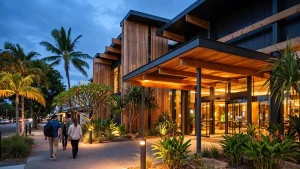
A buffet needs the same scrutiny. Confirm that it is currently offered, what meal it covers, and whether the information is for the casino venue itself or another nearby business. “Buffet” can sound like a complete description, but it doesn’t tell you what is served, when it is available, or how access works. Those are the details to verify before you make it the centre of your plans. If the venue’s own information doesn’t answer them, contact the venue rather than relying on an old post or a copied listing.
Food options and practical details
A food court is another term worth checking carefully. Don’t assume a result means there is a dedicated food court inside the casino, or that every food listing belongs to the same site. Find out where the listed option is, whether it is open when you plan to visit, and whether it serves the kind of meal you need. A map pin or a broad directory label can blur the difference between a venue’s own facilities and food nearby.
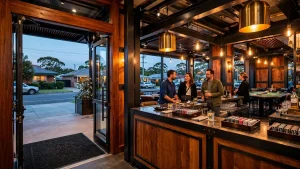
For any food option, I’d check the details that can change a visit: current menus, serving times, booking requirements, and any entry or access conditions. If you’re going with other people, confirm the basics with them too—especially if someone has a dietary need or you have a tight schedule. A quick check is less glamorous than turning up on impulse. It also avoids treating an old menu or review as a promise.
This is separate from choosing a restaurant for a planned meal. Here, the point is simpler: establish whether breakfast, buffet service, or a more casual food option is actually available for your visit, then check its current terms. If you can’t verify a detail, keep your plan flexible instead of building the day around it. No grand strategy. Just fewer surprises.
Pool information is easy to misread
Pool-related listings need the same care. A search result mentioning a pool does not establish that the casino has one, that it is open to day visitors, or that it is available to someone who is not staying at an associated property. Check what the listing refers to and who can use the facility. If access depends on a booking or another condition, confirm that before you count on it.
It’s also worth being precise about what you mean by “pool”. You may be looking for a swimming facility, a pool connected with a resort, or simply information about leisure amenities. Those are not interchangeable. Ask the venue directly if the listing leaves the distinction unclear, and confirm any conditions that affect access. I wouldn’t travel on the strength of a third-party snippet alone.
The word “resort” can make a venue sound like a single package of facilities, but it doesn’t confirm what is included or available to you. Check each service separately. If your plan combines breakfast and pool access, make sure both are currently offered and that the access rules fit your visit. One listing may cover a different part of a property or a different kind of booking. Read the actual details, not just the headline.
Keep plans based on what is confirmed
I treat rewards information the same way: as something to verify with the venue, not as an automatic discount on food or facilities. Check what the programme currently covers, who is eligible, and whether any particular offer applies to the meal or visit you have in mind. Don’t assume that joining a rewards programme guarantees a breakfast deal, buffet access, or pool entry. If an offer has conditions, read them before relying on it.
For a straightforward plan, confirm the venue, the service, the date, and any access requirements through current venue information. Keep a second option in mind if the meal or facility is central to your day. That’s not pessimism; it’s what I do after discovering that a nice-looking listing and a usable plan are different things. Verify first, then decide.
Bars, Baccarat and Contact Details: Use the Venue’s Current Information
A venue name in a search result can make a bar, table game or event look confirmed when the page is old, incomplete or about somewhere else. I’ve learned not to plan around a snippet. For anything that could change before your visit, start with the casino’s current official information and check the detail there.
Bars and table games
If you’re looking for a bar inside the casino, check the venue’s own listings for what is open, where it is and whether there are any entry conditions. A bar’s name appearing on an old directory page is not proof it is operating now. Nor does a listing tell you whether there is a particular dress expectation or whether you need to book. Confirm the detail directly before making it part of your evening.
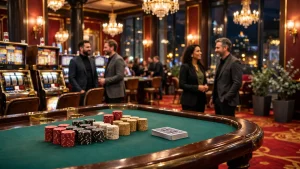
The same goes for baccarat. A search for tables in Melbourne is not confirmation that baccarat is available at a particular venue, on the day you plan to go, or in the format you expect. Check the current gaming information or contact the venue and ask plainly about availability and any relevant access conditions. If you’re also checking for craps, treat that as a separate question rather than assuming a casino offering one table game offers another. Check first. Saves a wasted trip.
Baccarat and other table games
Baccarat availability varies by venue and date. Check current gaming information or contact the venue directly, and treat requests for other games, such as craps, as separate inquiries.
Concerts and venue maps
Concert information can age quickly. Before travelling for an event, confirm its date, location, ticket arrangements and any entry instructions through the venue or event organiser’s current channels. A listing on a third-party calendar may be useful for discovery, but I wouldn’t rely on it as the final word. If the event page and venue information disagree, contact the organiser before you set off.
A map can help you understand how the venue is laid out, but make sure it is current and actually relates to the casino, not a nearby business or an older site plan. If you need to find a particular entrance, bar or event area, ask the venue rather than guessing from a general map. Keep parking questions separate: check the current official directions and parking information before you travel, rather than relying on an old map pin or a comment on a forum.
Contact details that hold up
For a phone number or other contact details, use the casino’s official website or a channel linked from it. Listings copied across directories can remain online after details change. I’d avoid giving personal or payment information to an account just because it uses the venue’s name; check that the contact channel is linked from an official source.
When you call or send a message, make the question specific: ask whether the bar or game is currently available, where an event is being held, or which entrance to use. That gives you a useful answer instead of a broad promise about what the venue offers. If you cannot confirm a detail, don’t build your plan around it. A quick check beats arriving with the wrong assumption.
Spa Searches and Other On-Site Details to Verify
A search for a Melbourne casino day spa can make an on-site treatment sound like a settled part of a visit. I wouldn’t book around that assumption. Check the venue’s own current information to see whether spa services are offered there, what they include, and whether appointments or separate arrangements are required. A third-party listing can linger after details change. Confirm directly before paying or building your day around it.
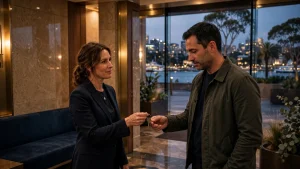
The same goes for the address. Search results and map pins can be useful for orientation, but I’d match the location against the venue’s official directions before setting off. Check that the address belongs to the casino itself, rather than a nearby hotel, office or entrance with a different purpose. Small distinction. Annoying detour.
Dress-code searches deserve a direct check too. Don’t assume that a rule mentioned in an old review applies everywhere on the property or is still current. Look for the venue’s own wording, including whether guidance differs by area or occasion. If it’s unclear, contact the venue before you leave; guessing at the door is a poor way to start an evening.
For games, use the venue’s current information to establish what is available on site and whether any conditions apply. A general description or an old visitor post may not reflect what you’ll find on the day. I’ve learned not to treat a confident-sounding listing as a promise. Check the details that matter to your plans, then leave room for them to change.
If you’re looking at casino careers rather than planning a visit, go to the employer’s current careers information. A job-board post can be out of date, and a search result may not tell you whether an application is still open or who is hiring. Confirm the role and application route before sending personal information. Don’t assume that a job advertised nearby is employed by the casino itself.
My rule is simple: use third-party pages to discover what to check, not as the final word on a spa, address, dress policy, games or job listing. Verify the detail with the venue or the organisation responsible for it, and keep a note of where it came from. Less glamorous than a glossy listing. More useful.
What features should I look for when choosing an online pokie?
Look at the RTP, whether the game has a progressive jackpot or a buy-bonus option, and the terms attached to any free spins. Free-spin winnings commonly carry wagering requirements, so check those terms before playing.
Are pokie machine outcomes random?
Yes. Online pokies use a Random Number Generator, and each spin is independent, so previous results do not affect the next spin.
What is the legal age to play pokies in NSW?
You must be 18 or older to gamble on poker machines in NSW.